





Region

Leaflet
From waste stream to valuable resource

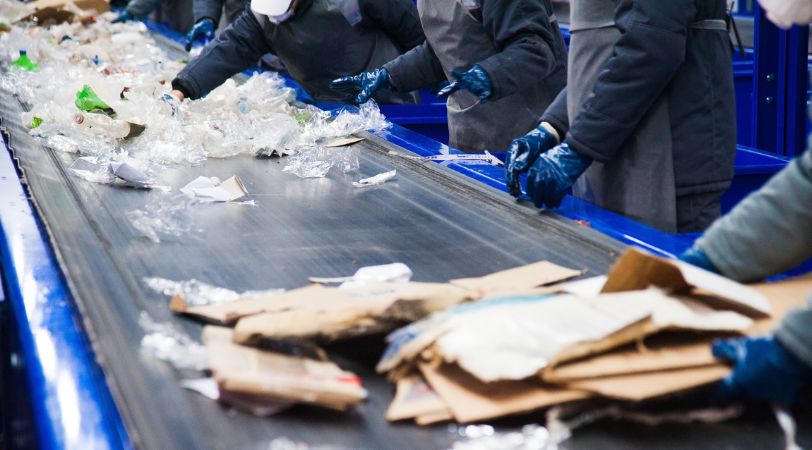
Why it matters
Food that is wasted is more than a missed opportunity. It is a direct cost, a loss of resources and labour, and a risk to sustainability and brand reputation. Food waste and waste management affect multiple parts of the organisation, from production planning and logistics to procurement and marketing. The need to manage waste streams efficiently and responsibly is becoming more urgent, driven by legislation, customer expectations, and increasing resource scarcity.

What lies beneath
Preventing waste and managing residual flows starts with insight:
- Where do losses occur in your processes?
- Which materials leave the supply chain without value?
- What are the legal requirements for registration, reporting, and accountability?
A smart approach to waste and food loss requires data, analysis, and the willingness to rethink processes and make different choices.
Leadership means taking ownership of what is lost
Organisations that make a real impact on waste:
- Understand their key material and waste streams
- Focus on prevention rather than disposal
- Translate sustainability into clear and measurable KPIs
Leadership means challenging existing boundaries, connecting systems, and activating employees. Waste becomes not an end point, but a starting point for improvement.
Three levels of development
Compliance | Insight into waste streams and legal requirements
Mapping waste streams systematically, including organic waste, packaging waste, residual flows, and surplus products. Awareness of legislation and reporting obligations is in place, and reporting aligns with regulatory requirements.
Compliance+ | Zero waste strategy and implementation
Translating insight into action through a structured zero waste strategy focused on reduction, reuse, and valorisation of residual flows. Targets are defined, processes are adjusted, and KPIs are linked to waste reduction and resource utilisation.
Strategic | Circularity as part of business strategy
Embedding food waste and waste management into broader strategic themes such as circularity, sustainability, corporate responsibility, and brand positioning. Organisations steer on circular KPIs, participate in supply chain initiatives, and invest in innovation related to reuse, packaging, and logistics. Waste is treated as a resource, and data on waste becomes a driver for better decision making.
What it delivers
A strong approach to food waste and waste management provides:
- Reduced product loss and lower costs
- Demonstrable sustainability towards customers and supply chain partners
- More efficient use of resources
- Preparation for regulations such as packaging legislation and ESG reporting
- Improved collaboration between departments such as QA, production, and logistics
What you do not waste, you do not need to purchase, transport, produce, or justify. That is value across the entire organisation.
Where do you stand?
What happens to products you can no longer sell? Is your organisation focused on waste processing, or are you actively steering on prevention, reuse, and circularity? Mérieux NutriSciences | Expert Partners helps you create insight, define strategy, and implement practical solutions from compliance to zero waste ambitions.
Share this post
Bronnen
Written by

Ragna Tielen

In December 2024, I joined Mérieux NutriSciences | Expert Partners as a Senior Consultant Sustainability. With a passion for food and a strong belief that a sustainable lifestyle is essential, I am committed both professionally and personally to contributing to a better world.
Stay up to date
Subscribe to our newsletter and receive monthly updates on legislation, innovations, and client stories directly in your inbox.
.avif)
FAQs
Lorem ipsum dolor sit amet, consectetur adipiscing elit. Suspendisse varius enim in eros elementum tristique.