





Strategic guidance in a complex world
Be ready for the new standard in packaging legislation.
Apply AI in QA today.

Geert Jan Rens

Senior Consultant

Knowledge

Related blogs

5 min read

Improving with direction, rhythm, and results

Every organisation wants to improve. But without structure, improvement ideas are often handled ad hoc, remain good intentions, or lose momentum in daily operations. Improvement management creates focus. It provides direction, makes progress visible, and prevents the same mistakes from being repeated. By identifying, assessing, and implementing improvements in a structured way, improvement becomes more than isolated actions. It becomes a system that truly drives organisations forward.

5 min read

Strong when it matters most

Incidents never come expected. A deviation in production, a product recall, a cyberattack, or a sudden disruption in the supply chain. The impact on quality, continuity, and trust can be significant. In those moments, you need structure, clarity, and decisive action. An incident is not a question of if, but when. The way you are prepared determines whether you limit the damage or make it worse and whether you recover or come back stronger.

5 min read

Behaviour as the foundation of food safety

Most organisations have clear protocols, systems, and certifications in place. Yet the biggest risks often do not arise from the system itself, but from how it is applied in practice. From behaviour. Food safety is not a checklist. It is a culture you live every day, at every level of the organisation. Food Safety Culture is about how people think about food safety, how they act in their daily work, and how they respond under pressure. It becomes visible in small decisions, in leadership behaviour, and in the way mistakes are discussed. A strong Food Safety Culture is not optional. It is essential for trust, continuity, and growth.

5 min read

Progress is built together

No organisation operates in isolation. Customers, suppliers, regulators, local communities, auditors, and partners all influence your success, quality, and continuity. The question is not whether stakeholders matter, but how well you understand them. Do you listen, engage, and anticipate, or mainly react? Stakeholder management provides direction. It helps you manage risks and unlock opportunities, not as an obligation, but as a strategic compass in a complex environment.

5 min read

Controlled change leads to better performance

In an environment where quality, safety, and compliance are under pressure, change is inevitable. New suppliers, process adjustments, staff changes, or technological developments all introduce risks. Without clear control, changes can lead to unintended consequences, errors, and disruptions. That is why Management of Change is essential. It ensures that changes are implemented in a controlled way, risks are assessed in advance, and the right people are involved before the impact is felt.

5 min read

What your customer tells you is invaluable

In an industry where trust is essential, listening to your customer is not a formality. It is a strategic choice. Satisfied customers stay, recommend your organisation, and challenge you to improve. Customer satisfaction therefore goes beyond an annual survey. It is about systematically collecting signals, identifying trends, and improving based on what truly matters to your customers. When customers feel heard, their trust grows and so does your organisation.

5 min read

From data to strategic insight

Having data is one thing. Knowing what to do with it is another. Data is everywhere. In records, checklists, audits, and quality measurements. But only when data is translated into insights and those insights into action does it create value. This requires more than a smart tool. It requires structure, mindset, and vision. At Mérieux NutriSciences, we see data usage not as an IT topic, but as a way of thinking. A way to learn from deviations, anticipate risks, and move from controlling quality to actively steering it.

5 min read

Because standing still is not an option

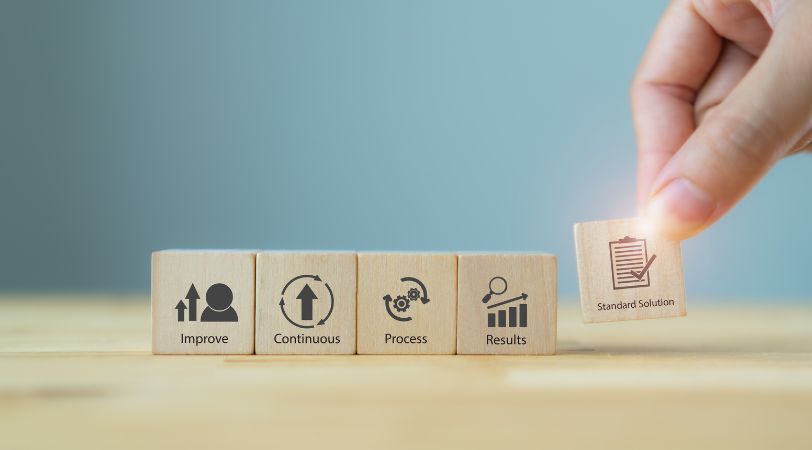
Change is inevitable. Raw materials vary in quality, teams evolve, regulations become stricter, and expectations continue to rise. Organisations that actively respond to these changes remain strong. Those that wait fall behind. Continuous improvement is not a project or a protocol. It is a way of thinking and acting. It enables organisations to learn, adapt, and grow stronger through change. Not because it is required, but because it creates value for customers, employees, and the future.